Making a delicious breakfast while keeping your carb intake low is easier than you might think. Keto Pancakes are the perfect way to start your morning, whether you’re following a keto diet or just want a gluten-free, sugar-free alternative to traditional pancakes.
I’ve made this recipe more times than I can count, and it’s one of my go-to choices when I want something filling without kicking me out of ketosis. With the right ingredients and a few simple techniques, anyone—even someone who’s never cooked this before—can get this right on the first try.
These pancakes pair well with a hot cup of keto coffee, scrambled eggs, or a handful of fresh berries. They’re not just for breakfast either; these can double as a sweet treat or a brunch favorite. Top them with sugar-free syrup, whipped cream, or even keto caramel sauce for a fun twist.
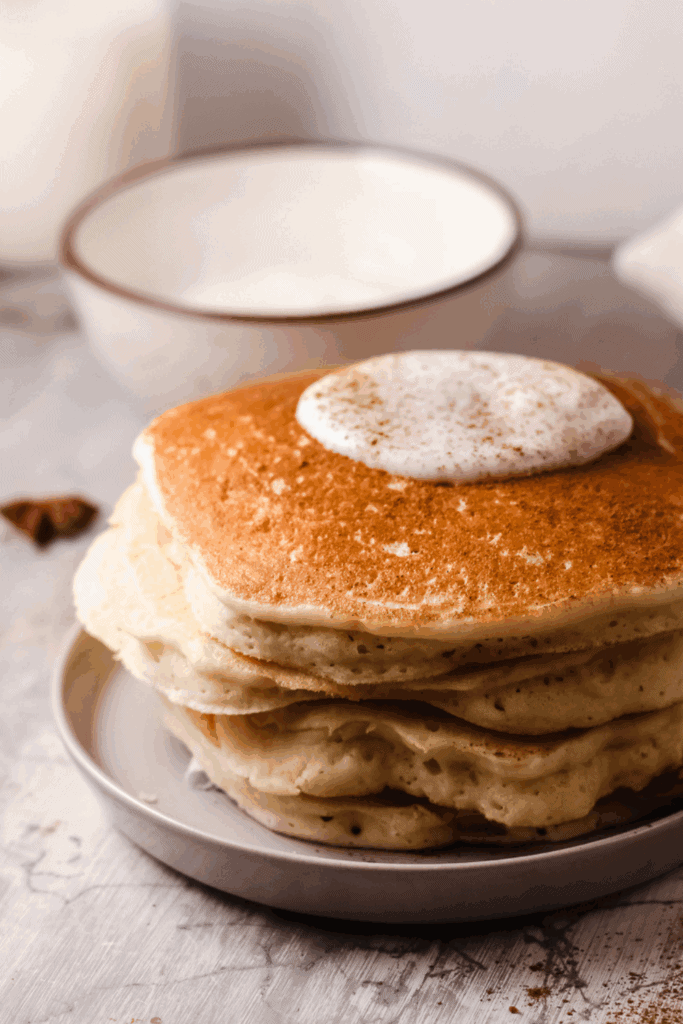
What are Keto Pancakes?
Keto pancakes are a low-carb version of traditional pancakes made without wheat flour or sugar. Instead, they use ingredients like almond flour and coconut flour, which are low in carbs and high in fiber and healthy fats.
The original pancakes date back thousands of years, with early versions cooked on hot stones. Today, most people associate pancakes with flour, milk, sugar, and butter.
This recipe takes a different route by replacing high-carb components with keto-friendly ones while still keeping the soft, fluffy texture that makes pancakes so comforting.
They’re quick to make and incredibly versatile, which is part of why I always keep the ingredients stocked in my pantry.
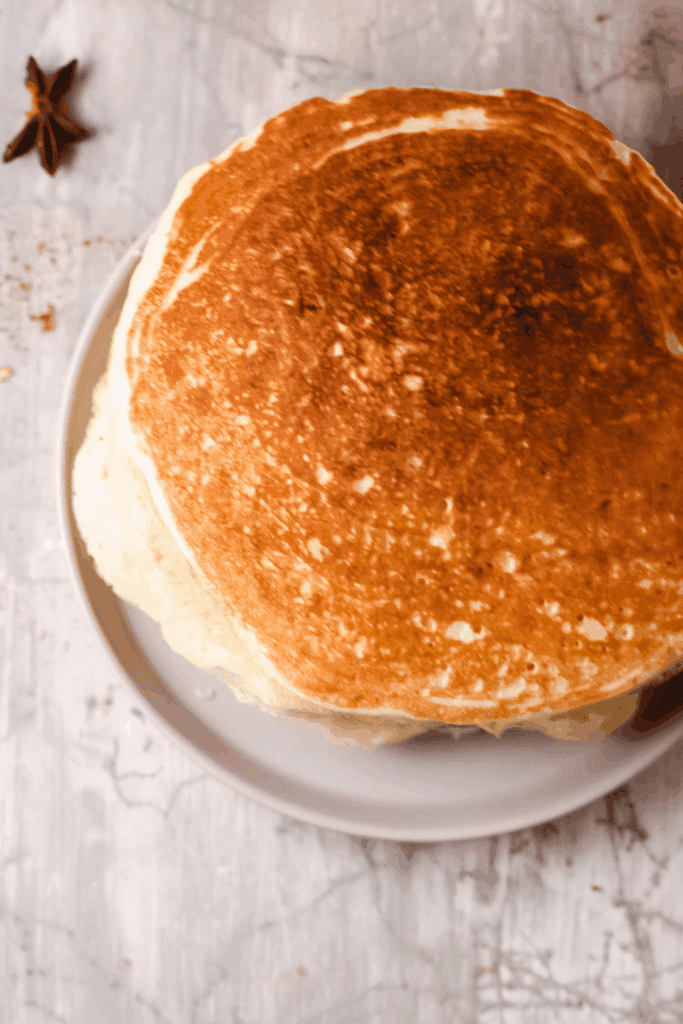
Ingredients to Make This Recipe
Before you begin, make sure you have everything ready to go. Each ingredient plays a key role in getting the right taste and texture.
Almond flour – Adds a mild, nutty flavor and provides structure without the carbs of wheat flour.
Coconut flour – Helps thicken the batter and absorb moisture; it also adds a bit of natural sweetness.
Erythritol – A keto-approved sweetener that doesn’t raise blood sugar. You can also use monk fruit or stevia if preferred.
Baking powder – Gives the pancakes their fluffy rise, which is important since keto batters don’t have gluten to hold them up.
Eggs – Essential for binding everything together and adding moisture.
Butter (melted) – Adds richness and that classic buttery pancake taste.
Vanilla extract – Enhances the overall flavor and adds a sweet aroma.
Heavy cream and water (used in the instructions) – Lightens the batter and improves texture, keeping the pancakes from being too dense.

How to Make Fluffy Keto Pancakes
Even if you’ve never made pancakes from scratch, you can absolutely do this. Follow these simple steps, and you’ll have a plate of delicious low-carb pancakes in no time.
- Start by mixing the wet ingredients. In a medium bowl, whisk together the eggs, vanilla extract, heavy cream, and a splash of water. Make sure the mixture is smooth before moving on.
- Add the dry ingredients. Slowly stir in the almond flour, coconut flour, erythritol, baking powder, and a small pinch of salt. Mix everything well until you have a smooth, slightly thick batter.
- Let the batter rest. Allow it to sit for 2–3 minutes. This gives the coconut flour time to absorb some of the moisture and thicken up the batter.
- Preheat your skillet or griddle. Set your pan over medium heat and lightly grease it with butter or a non-stick spray.
- Pour and shape. Scoop a small amount of batter into the skillet to form your pancakes. You may need to spread it gently into a round shape with the back of your spoon.
- Watch for bubbles. Cook the pancakes until you see bubbles forming on the surface and the edges start to look firm—this usually takes 2–3 minutes.
- Flip carefully. Gently flip the pancake using a thin spatula. Keto pancakes are more delicate than traditional ones, so take your time.
- Finish cooking. Cook the other side for another 1–2 minutes until golden brown.
- Repeat and serve. Continue with the remaining batter, greasing the pan as needed. Serve warm with toppings like sugar-free syrup, berries, or a spoonful of whipped cream.
Tips for Making This Easy Keto Breakfast
- Use superfine almond flour for the best texture.
- Don’t skip the rest time for the batter—coconut flour needs to absorb the liquids.
- Keep the pancakes small (about 4 inches wide), so they’re easier to flip.
- Medium heat is best. Too hot, and they’ll burn before the inside cooks.
- Grease the skillet between batches to avoid sticking.
- Store leftovers in the fridge for up to 3 days or freeze with parchment paper between them.
- Reheat in the toaster or a dry skillet for best results.

Frequently Asked Questions
Can I substitute almond flour with something else?
Almond flour is key to this recipe, but if you have a nut allergy or want to try something different, sunflower seed flour is a similar low-carb option. Keep in mind that texture and taste will vary slightly, and coconut flour alone won’t work as a 1:1 substitute.
Why do my keto pancakes fall apart?
This usually happens if the batter is too thin or if the pancakes are flipped too early. Make sure to let the batter rest and thicken, and wait until bubbles appear and the edges are firm before flipping. Also, avoid making them too big—smaller pancakes hold together much better.
What toppings can I use that are still keto-friendly?
Some great options include sugar-free syrup, butter, whipped cream made with heavy cream, fresh berries, chopped nuts, nut butter, or a sprinkle of cinnamon. Avoid traditional syrup or fruit jams with added sugar, as they’ll raise the carb count.
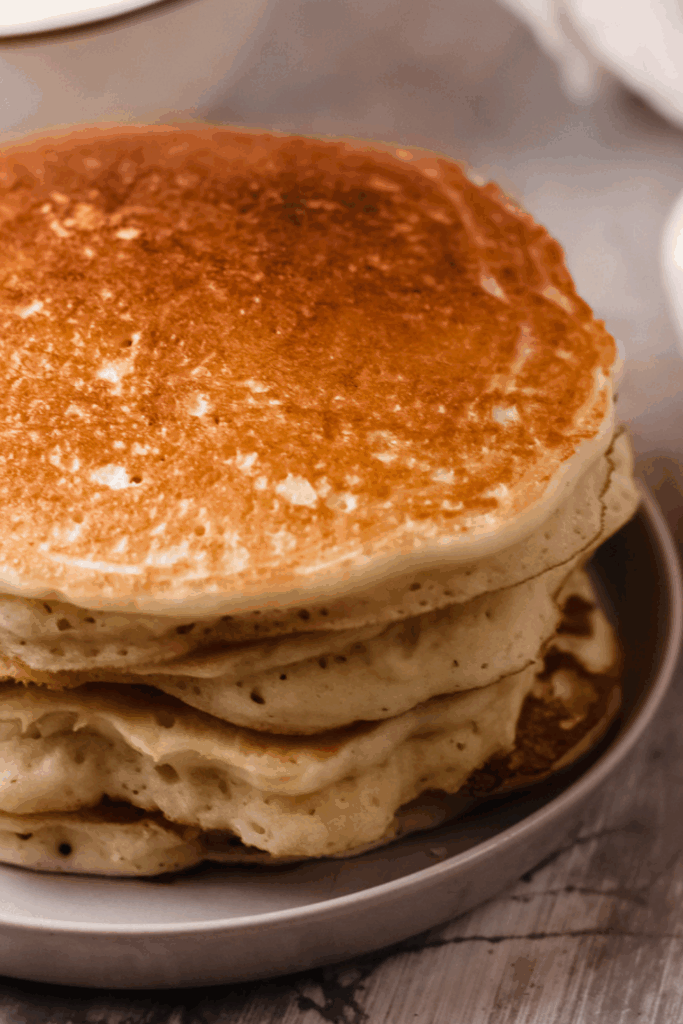
Have you tried making keto pancakes? Then make sure to rate and review this recipe. Your feedback helps others decide to give it a try—and I love hearing how it worked out for you. Whether it’s your first keto recipe or one of many, these pancakes will quickly become a weekend favorite.
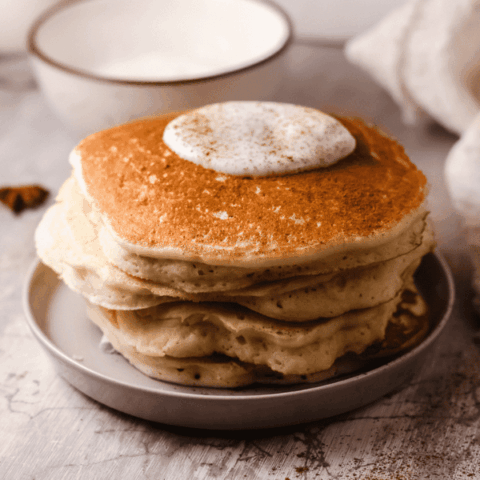
Fluffy Keto Pancakes
Making keto pancakes at home is easier than it sounds—even if you’ve never tried a low carb recipe before. These pancakes are soft, fluffy, and full of rich flavor thanks to simple ingredients like almond flour, coconut flour, and melted butter. They're perfect for anyone looking for a satisfying keto breakfast without the carbs. Top them with sugar-free syrup, berries, or whipped cream for a quick and delicious start to your day.
Ingredients
- ½ cup Almond flour
- ¼ cup Coconut flour
- 1 tbsp. Erythritol
- 1 ½ tsp. Baking powder
- 3 Eggs
- 3 tbsp. Butter, melted
- 1 tsp. Vanilla extract
Instructions
- In a mixing bowl, crack the eggs and add vanilla extract, heavy cream, and a splash of water. Whisk everything together until the mixture is smooth and well combined.
- Slowly add almond flour, coconut flour, erythritol, baking powder, and a pinch of salt to the bowl. Stir until you get a smooth, pourable batter with no lumps.
- Let the batter rest for about 2 to 3 minutes. This gives the coconut flour time to absorb the liquid and helps the texture of the pancakes.
- Heat a non-stick skillet or griddle over medium heat. Lightly grease the surface with butter or use a non-stick spray.
- Pour a small amount of batter onto the skillet to form a pancake. You can use the back of a spoon to gently shape it into a circle.
- Cook the pancake until bubbles start to form on the surface and the edges begin to look firm.
- Carefully flip the pancake using a thin spatula. Cook the other side until it turns golden brown and is cooked through.
- Repeat the process with the remaining batter, greasing the pan as needed between batches.
- Serve the pancakes warm with sugar-free syrup, fresh berries, or your favorite keto-friendly toppings.
Notes
- Letting the batter rest is important. The coconut flour needs a couple of minutes to absorb the liquid and thicken properly.
- Use a non-stick skillet or griddle for best results. Keto pancakes are more delicate than traditional ones and can stick easily.
- Keep pancakes small—around 4 inches wide. Smaller pancakes are easier to flip and hold their shape better.
- Cook over medium heat. High heat may cause the outside to brown too quickly before the inside is fully cooked.
- If the batter seems too thick, add a tiny bit of water to loosen it. If it’s too thin, let it rest a little longer or add a pinch of coconut flour.
- Flip only once. Wait for bubbles to form and edges to look set before flipping to avoid breaking them.
- Leftovers can be stored in the fridge for up to 3 days or frozen with parchment paper between them for easy reheating later. Reheat in a dry skillet or toaster for best texture.
Nutrition Information:
Yield: 10 Serving Size: 1Amount Per Serving: Calories: 118Total Fat: 6gSaturated Fat: 1gUnsaturated Fat: 4gCholesterol: 59mgSodium: 110mgCarbohydrates: 11gFiber: 1gSugar: 0gProtein: 4g
This calculations might not be correct.
Leave a Reply