Are you diving into the world of keto but feeling unsure about how often to eat? You’re not alone! Figuring out the right number of meals per day on a ketogenic diet is a common puzzle. Let’s unravel it together.
Some people prefer three square meals a day, while others opt for five or six smaller meals. According to Healthline, individuals following a ketogenic diet typically eat three main meals per day. These meals are designed to be high in fat, moderate in protein, and low in carbohydrates.
Everybody knows that more people in the United States have become overweight in the past few decades. The percentage of obesity went up from 30.5% to 42.4% between 1999 and 2018. This is why studies on the keto diet are getting a lot of attention from the public and nutrition researchers.
Keto is all about switching up your food game. It’s about loading up on healthy fats, moderating protein, and slashing those carbs. But when it comes to mealtime frequency, there’s no strict rule carved in stone.

Here are some general guidelines that can help you make an informed decision on how many meals per day you should eat on keto.
Macronutrient Ratio
The macronutrient ratio for a ketogenic diet usually consists of about 70–75% fat, 15–20% protein, and 5–10% carbohydrates per day. This means that each meal should focus on high-fat, low-carb foods such as eggs, meats, and dairy products.
Alternative Approaches
There are also alternative approaches to meal frequency on the keto diet. Some people follow a “Speed Keto” approach, where they only eat one meal a day that aligns with traditional keto guidelines of high fat and low carb macronutrients. However, this approach may not be suitable for everyone and should be discussed with a healthcare professional.
Personalization and Flexibility
It’s important to remember that the optimal meal frequency on the ketogenic diet can vary from person to person. It’s crucial to listen to your body and adjust your meal frequency based on your individual needs and preferences.
The number of meals you should eat on the ketogenic diet can vary, but typically, three main meals per day that are high in fat, moderate in protein, and low in carbohydrates are recommended. However, individual preferences and needs may lead to different approaches, so it’s essential to find a meal frequency that works best for you.
Can you eat three meals a day on keto?
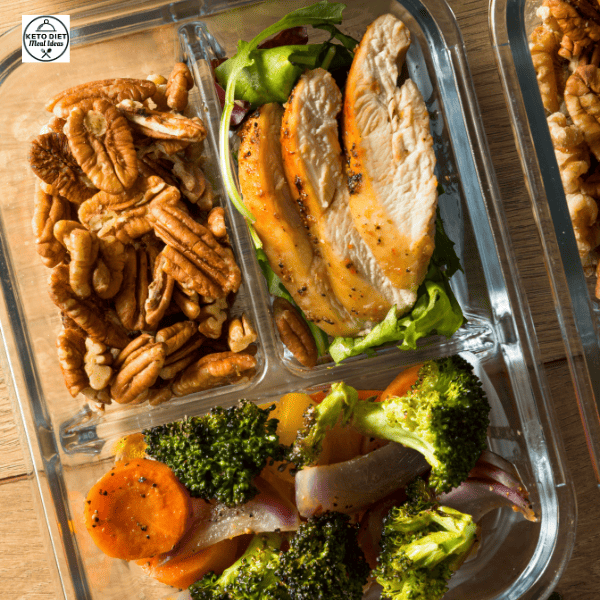
You can eat three meals a day on a ketogenic diet. The ketogenic diet, characterized by low-carbohydrate, high-fat intake, allows for flexibility in meal frequency. While some individuals on keto prefer intermittent fasting or fewer meals, many successfully adhere to the traditional three-meals-a-day structure.
According to an article, individuals have found success with consuming three meals a day while adhering to the ketogenic diet. Additionally, the American Diabetes Association emphasizes the importance of evenly-spaced meals for individuals with diabetes. These perspectives highlight the flexibility within the keto diet, accommodating different meal frequencies while considering specific health conditions.
Starting with three meals, including snacks for those who are physically active underscores the adaptability of the keto diet to accommodate individual needs and activity levels.
Is it OK to only eat one meal a day on keto?
Adopting a one-meal-a-day (OMAD) approach on the ketogenic diet, often referred to as keto OMAD, is not only okay but is embraced by many as a successful strategy. This method involves consuming all your daily calories and nutrients within a single meal, usually during a specific time window. It might seem surprising, but research and anecdotal evidence show that it can be an effective and sustainable choice for some individuals.
According to Perfect Keto, OMAD is generally considered safe for most people and should not cause serious side effects, although it may lead to increased hunger and cravings, especially for those who are not yet fat-adapted.
For beginners, diving into keto OMAD requires attention to key principles. Ensure that your one meal is nutritionally rich, incorporating an adequate amount of healthy fats, moderate protein, and low-carb vegetables to meet your body’s needs while staying in ketosis. It’s crucial to listen to your body and assess how you feel throughout the day, adjusting your meal size and composition accordingly.
Can I eat as much as I want on keto?
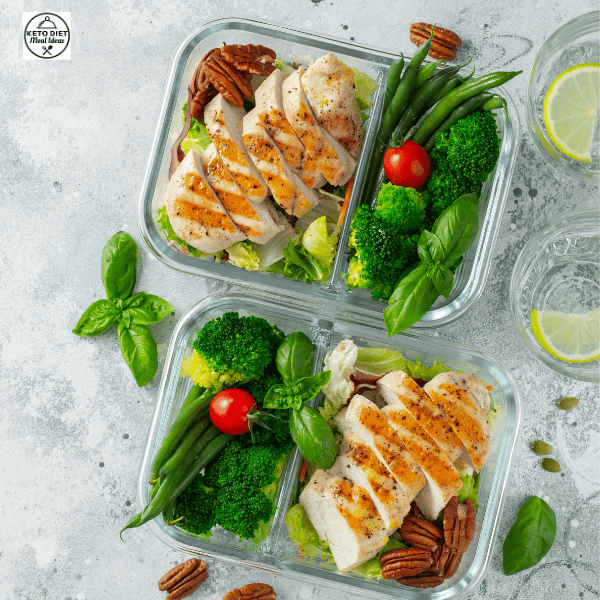
It’s a common misconception that you can eat as much as you want on the keto diet. While the ketogenic diet emphasizes high-fat and moderate protein intake, overeating can still hinder weight loss and impact ketosis. Healthline warns that consuming excessive high-calorie keto snacks like nuts, nut butter, fat bombs, cheese, and jerky may lead to a weight loss plateau.
Simply cutting carbs, increasing fat intake, and scaling back on protein isn’t enough, emphasizing the need to avoid common keto mistakes such as overindulging in carbohydrates.
It’s crucial to understand that excessive carbohydrate consumption can kick you out of ketosis, as mentioned by WBFF Pro Daniel Ventura, stressing the importance of avoiding this pitfall. Even on a low-carb diet, it’s important not to eat too many carbohydrates, as exceeding 100-150 grams per day is generally considered high.
Ultimately, while the keto diet allows for satisfying and nutrient-rich foods like fish, low-carb veggies, cheese, avocados, poultry, eggs, nuts, seeds, and healthful oils, it’s essential to be mindful of portion sizes and overall caloric intake. Overeating can still hinder weight loss progress. Therefore, although the keto diet offers flexibility in food choices, moderation, and portion control remain key factors in achieving successful outcomes.
Leave a Reply